

Most clinic websites aren't built badly — they're built generically. A template that started life for a dentist, a law firm, or a restaurant gets a new logo, new photos, and a new phone number, and goes live as "the clinic's website." It looks clean. It loads fast. And it's costing you bookings, quietly, in a way that never shows up as an obvious complaint.
Here's the same clinic, same information, two different homepages — see it instead of just reading about it:
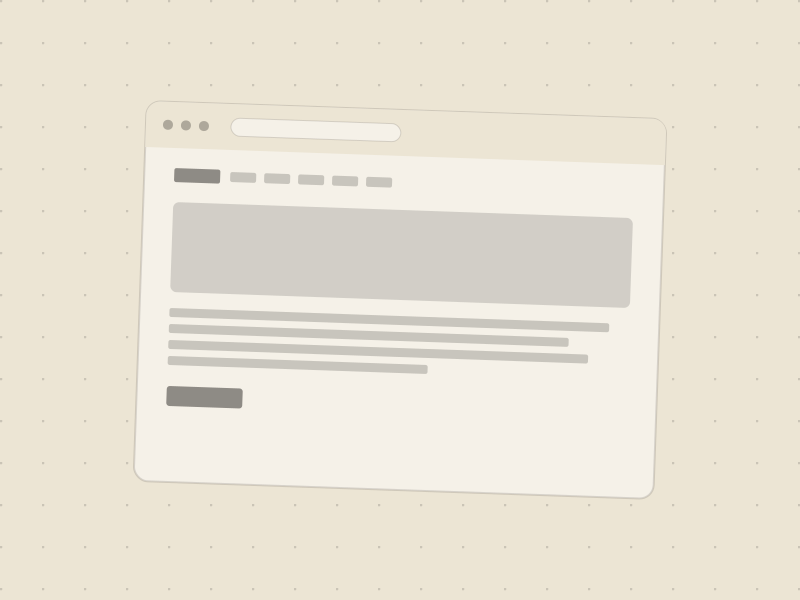
Generic template. Stock photo, a mission-statement headline, no hours, no phone — the same layout a dentist or a restaurant would use.
Built for a clinic. Today's hours and a tap-to-call number lead the page — the two things an anxious visitor actually came for.
The problem isn't quality — it's priority
A generalist template is built to be inoffensive across every industry that might buy it, which means it's optimized for nothing in particular. It treats a pet owner searching at 11pm with a limping dog the same way it treats someone comparing brunch spots — same layout, same pacing, same generic "Welcome to Our Practice" copy up top.
That visitor isn't browsing. They're scared, they're in a hurry, and they're deciding — in the first few seconds — whether this looks like a real, competent place that will pick up the phone.
A worried pet owner isn't reading your website. They're scanning it for permission to stop worrying and call.
Three things a borrowed template gets wrong
It buries the practical answers. Hours, whether you're open now, whether you handle emergencies, and your phone number should be findable in seconds, not after scrolling through a mission statement. Generic templates put brand storytelling first because that's what works for most businesses — it's the wrong order for a clinic.
It skips the trust signal that matters most. A generic hero image of a stock-photo building or a smiling model in a lab coat doesn't reassure anyone. A real photo of a real vet with a real animal does — it's the single cheapest, fastest trust cue available, and templates rarely make room for it up front.
It treats every page the same. A law firm's site and a clinic's site should not share an information hierarchy. A clinic's homepage has one job above every other: turn anxiety into a phone call or a booked appointment. A template optimized for "general small business" doesn't know that's the job.
What to do instead
None of this requires an enormous rebuild. It requires designing around the actual visitor — what they're worried about, what they need to see first, and how fast they can get from "landed on this page" to "I feel okay calling this place." That's a different starting brief than "make it look professional," and it produces a different, better-converting site.